
INTRODUCTION
Interior design is often seen as an additional expense when planning a home or commercial space. But the real cost goes beyond furniture, paint colours, and decorative finishes. It includes the planning, expertise, materials, coordination, and decisions that determine how well a space looks, feels, and functions for years to come.
Whether you are designing a new home, renovating an existing property, or developing a commercial interior, understanding your budget from the beginning can make the entire process smoother. Here’s what influences the cost of interior design, how to plan your investment, and why thoughtful design can deliver lasting value.
What Determines the Cost of Interior Design?
There is no single price that applies to every interior design project. The total investment depends on the size of the space, the complexity of the design, the quality of materials, the amount of custom work required, and the level of professional involvement.
A compact apartment with straightforward finishes will generally require a different budget from a large residence with custom joinery, premium materials, and detailed architectural elements. Similarly, renovating an existing property can involve additional work if electrical, plumbing, structural, or surface conditions need attention.
Understanding these factors early helps establish realistic expectations and allows design decisions to be made according to your priorities rather than reacting to costs later in the project.
Design Fees and Professional Expertise
Professional design fees cover much more than choosing colours or arranging furniture. Depending on the agreed scope, they can include consultations, space planning, concept development, material selection, detailed drawings, lighting plans, and coordination with other project professionals.
An experienced architect or interior designer helps identify potential problems before they become expensive site issues. They can also improve space utilisation, coordinate different requirements, and help you evaluate alternatives that align with your budget.
When comparing design fees, look beyond the headline price. Ask what deliverables are included, how many revisions are covered, whether site visits are part of the agreement, and what level of execution support you can expect. A clear scope makes it easier to compare proposals fairly.
Materials, Finishes, and Furniture
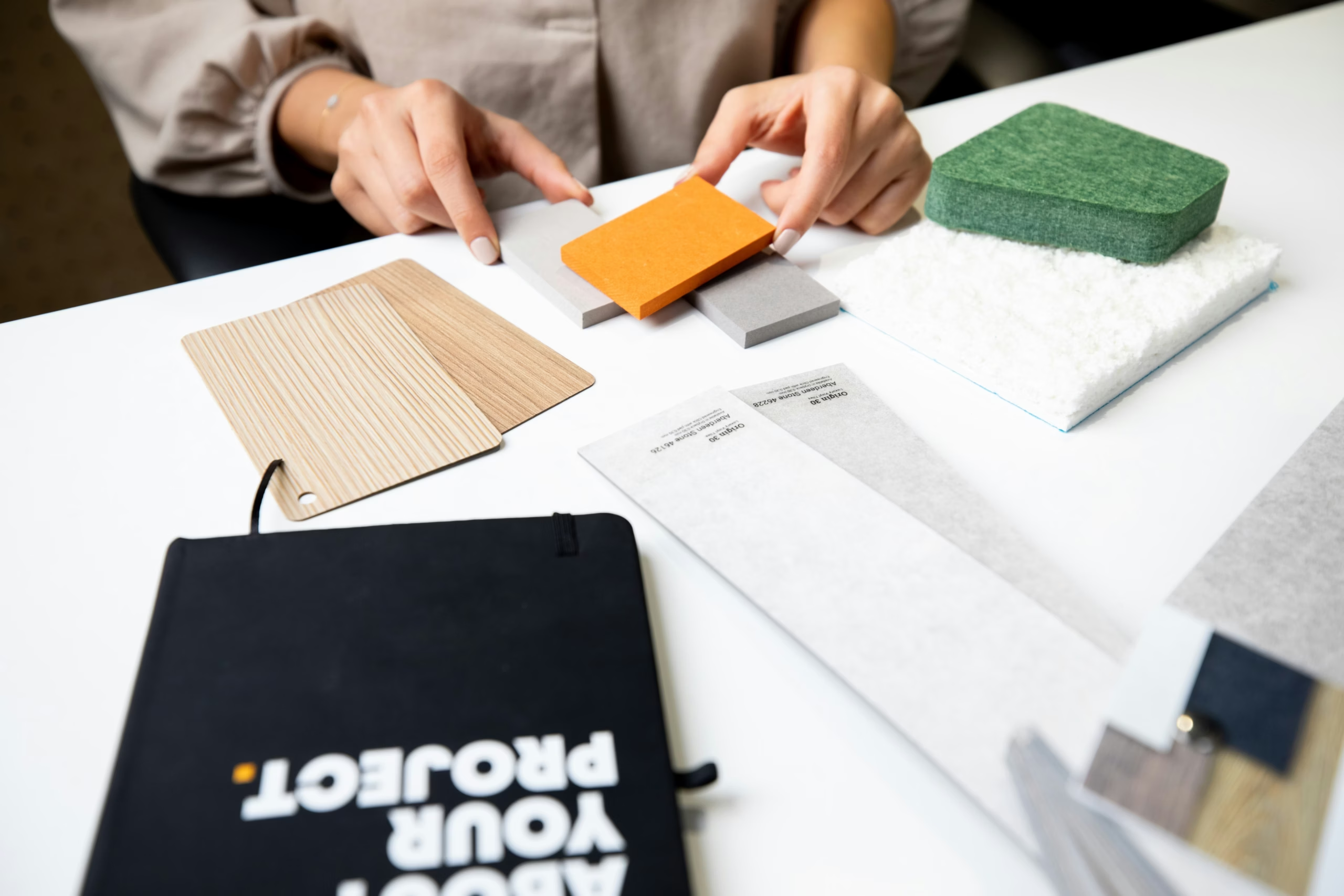
Materials and finishes can account for a substantial part of an interior project budget. Flooring, wall treatments, cabinetry, countertops, hardware, lighting fixtures, and furniture all influence the final investment. The price can vary significantly depending on the material, brand, finish, and installation requirements.
The most expensive option is not always the best choice. A durable, well-finished material that suits the way you use a space can offer better long-term value than a premium product that requires frequent maintenance or is poorly suited to everyday use.
A thoughtful design identifies where quality matters most and where more economical alternatives can work just as well. Investing in frequently used surfaces, reliable hardware, and comfortable furniture can help create a balanced interior without overspending on every detail.
Custom Furniture and Built-In Storage
Custom furniture and built-in storage can make a significant difference to both the functionality and appearance of a space. They allow dimensions, finishes, storage compartments, and details to be tailored to the room rather than relying entirely on standard-sized products.
However, custom work involves design development, material selection, fabrication, hardware, installation, and quality checks. These factors should be considered when preparing the budget, particularly for kitchens, wardrobes, entertainment units, and specialised commercial interiors.
The key is to identify where custom solutions genuinely improve the space. In some areas, built-in elements can maximise storage and reduce visual clutter. In others, ready-made furniture may provide the right functionality at a lower cost.
Execution, Labour, and Project Coordination
A design budget should account for the work required to bring the concept to life. Depending on the project, this may include civil work, electrical installations, plumbing, carpentry, painting, flooring, ceiling work, lighting installation, and specialist contractors.
Coordination between these activities is essential. For example, electrical points and lighting positions need to be planned alongside furniture layouts, while plumbing requirements should be considered before finalising kitchen and bathroom details. Poor coordination can result in rework, delays, and additional expenses.
Before work begins, clarify which services are included in the contractor’s quotation and which are charged separately. Confirm responsibilities for material procurement, transportation, installation, site supervision, and finishing work to avoid misunderstandings during execution.
Plan for Unexpected Expenses
Even a carefully planned project can encounter unexpected conditions. Hidden damage, outdated wiring, plumbing issues, changes in material availability, or necessary adjustments during construction can affect the overall cost.
For this reason, it is sensible to keep a contingency allowance separate from your planned expenditure. The amount should reflect the condition of the property, the complexity of the work, and the uncertainty involved. Renovation projects often need more flexibility than projects involving a newly constructed space.
You should also confirm whether quotations include taxes, delivery charges, installation, and finishing work. Reviewing these details before approving a budget gives you a more realistic picture of the total investment.
How to Create a Practical Interior Design Budget
Start by defining your overall budget and identifying the elements that matter most to you. These might include a functional kitchen, comfortable living areas, quality lighting, efficient storage, or a distinctive reception space for a commercial property.
Next, divide the project into clear categories such as design fees, civil work, finishes, furniture, lighting, electrical and plumbing work, and installation. Include a contingency allowance and confirm what is excluded from each quotation.
It is also helpful to finalise major design decisions before purchasing materials or beginning site work. Changes made late in the process can lead to wasted materials, revised drawings, additional labour, and delays. A clear plan makes spending more predictable and helps keep the project aligned with your priorities.
Why Good Interior Design Is Worth the Investment
The value of interior design extends beyond the initial appearance of a finished space. Good planning can improve circulation, make better use of available space, increase storage, support comfort, and help everyday activities feel more natural.
Thoughtful material selection and detailed planning can also help reduce avoidable maintenance and rework. For commercial spaces, a well-designed environment can reinforce brand identity and create a more welcoming experience for customers and employees.
Most importantly, a considered design helps you make decisions with a clear understanding of their purpose and cost. Rather than spending on individual elements without a larger plan, you invest in a space where the different components work together.
The real cost of interior design depends on the choices you make, the requirements of your space, and the level of detail involved. With a clear brief, a realistic budget, and the right professional guidance, it is possible to create an interior that balances aesthetics, functionality, and long-term value.
At Integrity Architect, we believe every successful project begins with understanding your needs and making informed design decisions. If you are planning a home or commercial interior in Gandhinagar or elsewhere in Gujarat, our team can help you explore the possibilities and develop a solution that suits your space and budget. Get in touch with Integrity Architect to start planning your project.